

The intriguing evolution of casinos through the ages
The intriguing evolution of casinos through the ages
The Origins of Gambling
The history of casinos can be traced back to ancient civilizations where gambling was an integral part of cultural life. Archaeological evidence indicates that the Chinese played games of chance as early as 2300 BC, often involving dice made from bones. Similarly, the Romans enjoyed betting on chariot races and gladiatorial events, establishing a culture of wagering that would eventually evolve into the modern casino. These early forms of gambling laid the groundwork for the sophisticated gaming establishments we see today, including platforms like Fortislots.
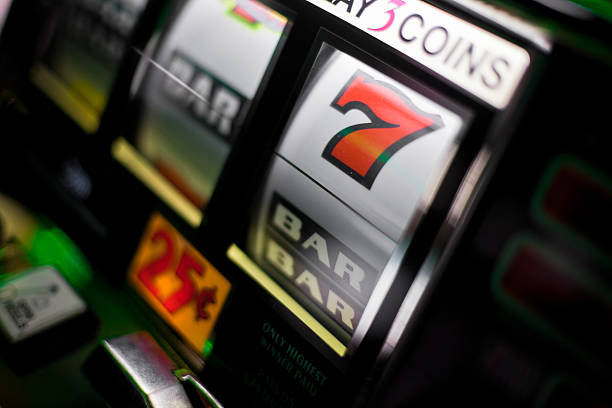
During the Middle Ages, the concept of gambling houses began to emerge in Europe, particularly in Italy. The Italian city-state of Venice became famous for its gambling houses, known as “ridotto,” where patrons could enjoy games of chance in a formal setting. These establishments offered a variety of games, including cards and dice, setting a precedent for the modern casino experience. As gambling gained popularity, it spread across Europe, influencing gambling laws and regulations.
The 18th century marked a pivotal moment in gambling history, particularly with the establishment of the first official casino in Monaco. The Casino de Monte-Carlo opened its doors in 1863 and became a symbol of luxury and opulence, attracting high-profile visitors and wealthy elite from around the world. This period also saw the introduction of roulette, which quickly became a staple in casinos, further solidifying the casino’s role as a social hub for entertainment and gambling.
The Golden Age of Casinos
The late 19th and early 20th centuries ushered in what is often referred to as the Golden Age of casinos. This era saw the proliferation of gambling houses across the United States, particularly in cities like Las Vegas and Atlantic City. Las Vegas emerged as a gambling capital following the construction of lavish hotels and casinos, where entertainment and gambling were seamlessly integrated to create an unparalleled experience for visitors. The glitz and glamour of this era attracted not only gamblers but also entertainers, leading to a thriving nightlife.
During this time, casinos began to introduce elaborate themes and designs, turning them into more than just gambling venues. Themed resorts like the Flamingo and the Stardust became landmarks, each offering unique atmospheres and experiences. This trend was driven by competition, as casinos sought to attract a growing number of tourists. Additionally, the rise of organized crime during this period brought both challenges and opportunities for the casino industry, shaping its reputation and operations.
The mid-20th century also marked significant changes in gambling regulations, as states began to legalize casinos to boost tourism and generate revenue. Nevada was the first state to embrace this shift, and by the 1970s, other states followed suit, leading to a surge in gambling establishments across the nation. This legalization of casinos not only transformed the gaming landscape but also created new economic opportunities, resulting in job creation and increased tax revenues for local governments.
The Technological Revolution
As technology advanced in the late 20th century, so did the casino experience. The introduction of electronic gaming machines, such as video slots and electronic roulette, revolutionized the way people engaged with gambling. These machines offered a more dynamic experience, combining technology with traditional games. Casinos began to invest heavily in high-tech gaming environments, incorporating advanced graphics and sound systems to enhance the player’s experience.
Moreover, the rise of the internet in the late 1990s led to the emergence of online casinos, allowing players to gamble from the comfort of their own homes. This shift not only expanded the reach of gambling but also diversified the types of games available, as players could access a plethora of options from various providers. The convenience of online gambling attracted a new demographic of players, reshaping the overall landscape of the gambling industry.
The mobile revolution further transformed the casino experience, enabling players to access their favorite games through smartphones and tablets. Today, mobile casinos account for a significant portion of the gaming market, allowing players to engage with gambling on-the-go. This evolution has pushed traditional casinos to adapt, leading to the integration of mobile platforms and apps that complement the in-person gambling experience.
The Global Casino Scene
Today, casinos are not limited to a single region or style. Major cities worldwide, including Macau, Singapore, and London, have established themselves as global gambling hubs, each offering unique experiences and attracting millions of tourists. Macau, often referred to as the “Gambling Capital of the World,” has surpassed Las Vegas in terms of revenue, showcasing the shifting dynamics of the global casino market. Its opulent resorts and sprawling gaming floors have become must-visit destinations for avid gamblers.
Furthermore, the integration of luxury and entertainment has become a hallmark of modern casinos. Many establishments now offer comprehensive experiences that include fine dining, shopping, and live performances, creating an all-in-one destination for guests. This trend reflects a broader shift in consumer preferences, as visitors seek more than just gambling; they desire a holistic experience that incorporates leisure, entertainment, and social interaction.
As the global landscape continues to evolve, casinos are increasingly embracing responsible gaming practices. Many jurisdictions are implementing measures to promote safe gambling habits and provide resources for players who may be struggling with gambling addiction. This emphasis on responsible gaming is crucial for the industry’s sustainability and reputation, as casinos strive to create a safe environment for all patrons.
Online Casinos and Future Trends
The digital age has ushered in an exciting phase for the casino industry, particularly with the rise of online gaming platforms. Online casinos have become incredibly popular, offering players an extensive range of games, from slots to live dealer experiences. These platforms provide convenience and flexibility, allowing players to gamble at any time and from anywhere. Additionally, innovations like virtual reality gaming and blockchain technology are beginning to reshape the online casino experience, promising to enhance engagement and security.
Online casinos are also benefiting from data analytics, which enables operators to tailor their offerings to individual player preferences. This personalized experience creates a more engaging environment for users, ultimately driving loyalty and retention. As technology continues to advance, we can expect online casinos to expand their game offerings and enhance user interfaces, making gambling even more accessible and enjoyable.
The future of casinos also lies in the potential expansion of cryptocurrency in gambling transactions. With the increasing popularity of digital currencies, some casinos are beginning to accept cryptocurrencies for deposits and withdrawals. This shift not only offers players more payment options but also provides added security and anonymity in gambling transactions, appealing to a tech-savvy demographic that values privacy.

Conclusion: A New Era in Gaming
As we look back at the evolution of casinos through the ages, it’s evident that these establishments have transformed significantly. From ancient gambling practices to the modern digital era, the casino industry has continuously adapted to changing societal norms and technological advancements. The blend of culture, entertainment, and gaming has created an industry that thrives on innovation, offering an experience that goes beyond mere gambling.
The future of casinos promises to be just as exciting, with online platforms leading the charge in revolutionizing how people engage with gambling. As new technologies emerge and global markets evolve, casinos will continue to innovate, providing users with unique experiences tailored to their preferences. Whether in a physical location or online, the casino industry remains an alluring world of chance, entertainment, and community.